
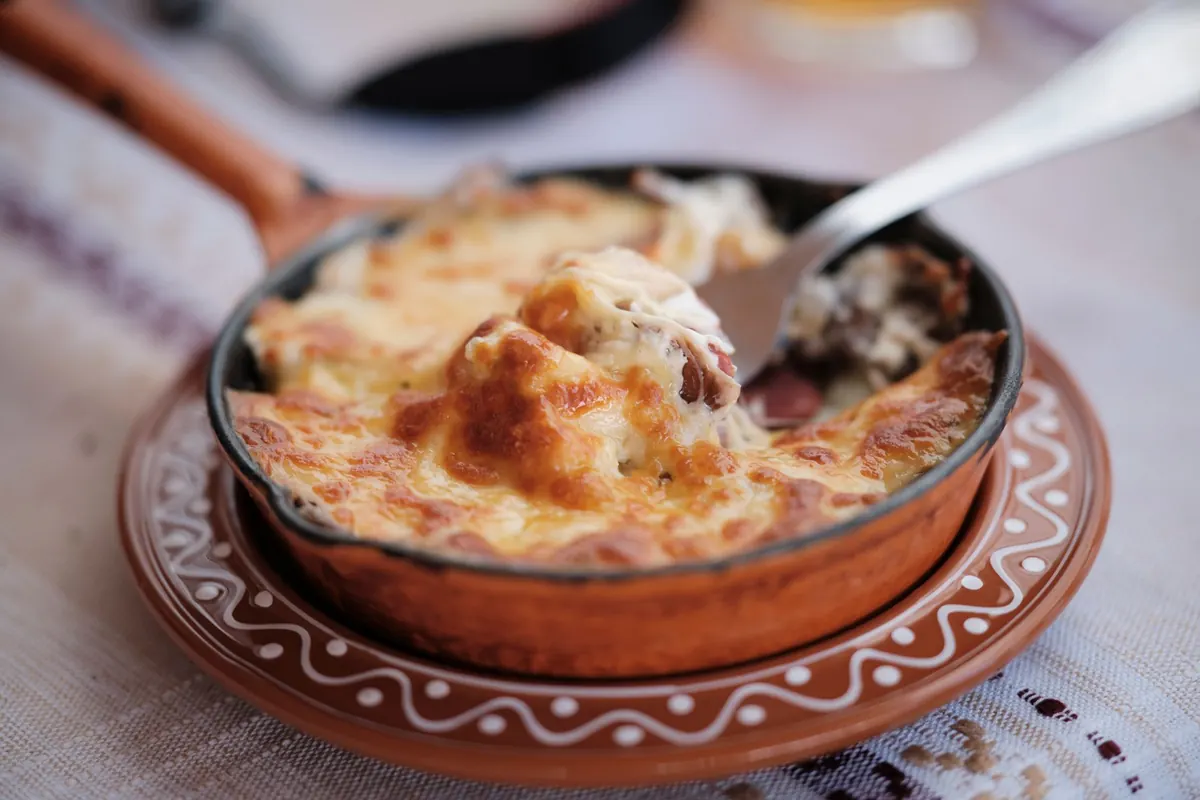
Somewhere between the stockings and the second pot of coffee, someone still has to feed everyone. A ham and cheese breakfast casserole earns its place on holiday mornings because the work happens the night before: you layer it, cover it, and go to bed. In the morning it goes into the oven while the kitchen fills with the smell of eggs, cheese, and ham, and it holds beautifully for the relative who sleeps until ten and the toddler who is up at six.
This version starts with leftover diced ham, which is exactly the kind of ingredient you want in a casserole. It is already cooked, already seasoned, and already sitting in your refrigerator after the big dinner. It does not need browning, it does not need babysitting, and it gives every bite a savory anchor that plain eggs never quite manage on their own.
Why Ham Works Here
Because ham is salty and fully cooked, it seasons the custard as it bakes. That means you can pull back on added salt, especially if you are using a smoked or glazed ham. Taste a cube of your ham before you commit it to the pan. If it is aggressively salty, cut the salt in the recipe to a pinch and lean on black pepper, dry mustard, or a handful of fresh herbs instead.
Two cups of diced ham is the sweet spot for a standard 9-by-13-inch pan. Cut the pieces no larger than a half inch, so they distribute evenly and never leave a dry pocket of egg around them.
The Base Recipe
What you need
- 6 large eggs
- 2 cups whole milk, or 1 1/2 cups milk plus 1/2 cup cream for a richer set
- 1 teaspoon dry mustard
- 1/2 teaspoon salt, plus several grinds of black pepper
- 6 cups cubed day-old bread, or 4 cups frozen shredded hash browns (see below)
- 2 cups diced cooked ham
- 2 cups shredded cheese: sharp cheddar, Gruyère, Monterey Jack, or a mix
- 1/2 cup diced onion, or 4 scallions, sliced
- Optional: 1 cup cooked vegetables
The night before
- Butter a 9-by-13-inch baking dish, or spray it generously.
- Spread your base across the bottom. Scatter the ham, onion, and any vegetables over it, then add half the cheese.
- Whisk the eggs, milk, mustard, salt, and pepper until smooth and slightly frothy.
- Pour the egg mixture over everything. Press down with a spatula so the bread soaks. Top with the remaining cheese.
- Cover tightly and refrigerate at least 4 hours, ideally 8 to 12.
The morning of
Take the dish straight from the refrigerator to a 350°F oven. Bake uncovered for 45 to 55 minutes, until the center is set and a knife inserted an inch from the edge comes out clean. If the top browns faster than the middle sets, lay a sheet of foil over it. Let it rest 10 minutes before cutting; the slices hold together much better that way.
Bread, Hash Browns, or Both
The base determines the texture more than any other decision, and both options work. Bread gives you a soft, custardy, strata-like casserole. Hash browns give you a denser, more savory result with crisp edges where the potatoes meet the pan.
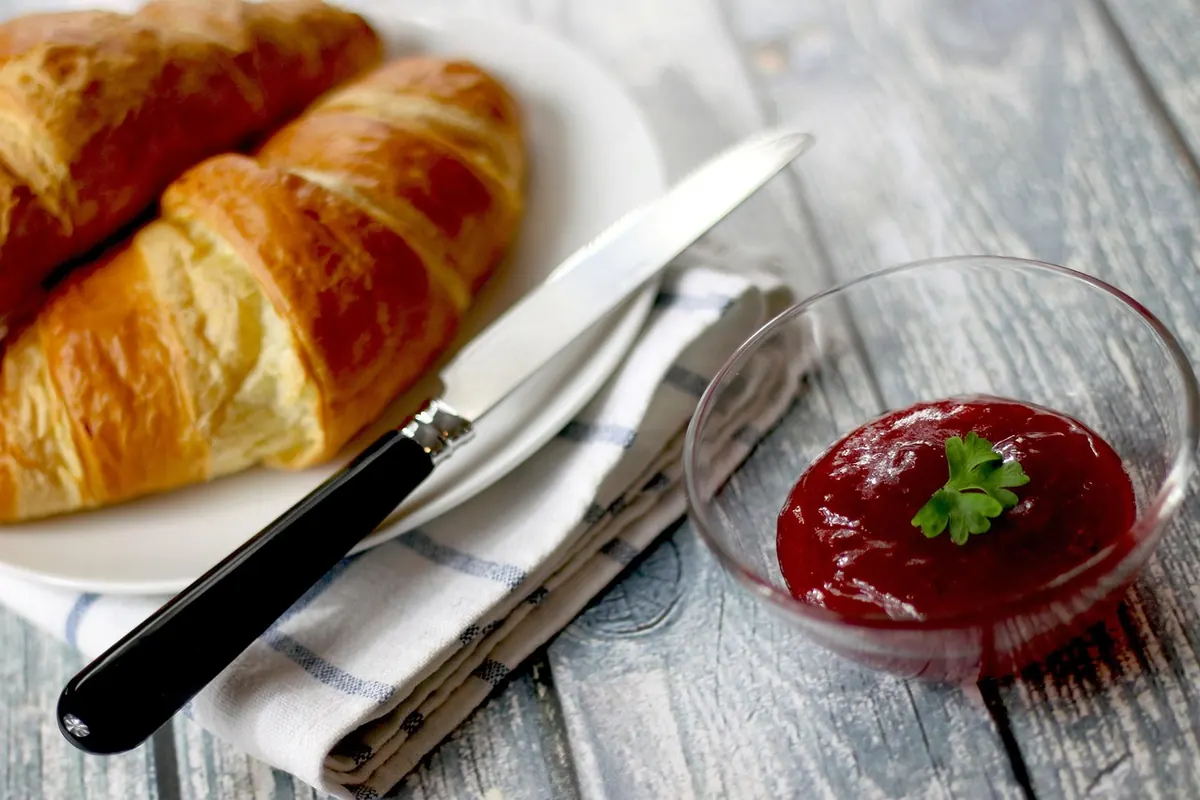
Bread. Use something with structure: sourdough, French bread, Italian loaf, or even sturdy sandwich bread. Stale is better than fresh, because dry bread drinks up the custard instead of turning to paste. Cut it into one-inch cubes and leave them out on the counter overnight if you remember. Croissants are delicious but turn very rich and soft; if you use them, reduce the milk to 1 1/2 cups.
Hash browns. Use frozen shredded potatoes, thawed and squeezed dry in a clean towel. Skip that step and you will get a puddle at the bottom of the pan. With hash browns, the casserole can soak for as little as 4 hours; the potatoes do not need the long overnight bath that bread does. Cubed cooked potatoes, roasted potatoes, or even frozen tater tots (halved) all work as swaps.
Both. For a crowd, layer 3 cups bread cubes with 2 cups squeezed hash browns. You get the custardy middle and the crisp edges in one pan, and it stretches the dish to a solid 10 to 12 servings.
Vegetables and Cheese: What to Add, What to Skip
Vegetables are where good casseroles go wrong. Anything watery needs to be cooked and drained first, or it will weep into the custard and leave you with a soggy center.
Add these
- Onion and bell pepper, sautéed until soft and slightly sweet
- Spinach or kale, wilted and squeezed hard in a towel
- Mushrooms, cooked until their liquid evaporates
- Roasted red peppers, chopped and patted dry
- Frozen peas or corn, no cooking needed; just drain well
- Cherry tomatoes, halved and seeded, pressed onto the top rather than stirred in
Cheese combinations that pull their weight
Use a melting cheese plus a sharp one. Cheddar and Gruyère is a classic pair. Monterey Jack with a little feta crumbled in gives you salt and tang. Pepper Jack adds heat, which is welcome if your ham is on the sweet side. Skip anything pre-shredded with a heavy starch coating if you can; it melts unevenly and can leave the casserole greasy.
Make-Ahead Timing and Troubleshooting
Keep the unbaked casserole refrigerated until the moment it goes into the oven, and bake it within 24 hours of assembling. If you want to stretch the work further, assemble, freeze unbaked for up to a month, then thaw overnight in the refrigerator before baking.
A few problems and their fixes:
- Watery center. Wet vegetables, unsqueezed potatoes, or too much dairy. Cap the milk at 2 cups per 6 eggs.
- Rubbery eggs. Overbaking. Pull it when the center is just barely set; it will firm up as it rests.
- Pale, soft top. Run it under the broiler for 2 minutes at the end, watching it the whole time.
- Cold middle. Your oven may run cool, or the pan was crowded. Cover with foil and give it another 10 to 15 minutes.
Serving, Leftovers, and One Practical Note
Serve it with something acidic to cut the richness: a bowl of citrus, a simple green salad, hot sauce, or good mustard on the side. Coffee cake and a fruit salad round it out for a holiday table, and it travels well to a potluck if you keep it covered and warm.
Refrigerate leftovers within two hours of baking. Cut portions keep for three or four days in a sealed container, and they reheat well in a covered pan at 325°F or in short bursts in the microwave. Individual squares freeze nicely too; wrap them tightly and thaw overnight in the refrigerator.
One last habit worth building: write the bake time on a sticky note and leave it on the dish before it goes into the refrigerator. On a holiday morning with a house full of people, the note on the pan is the only recipe you will actually read.
Photo: ervin.fon Trichev / Pexels