

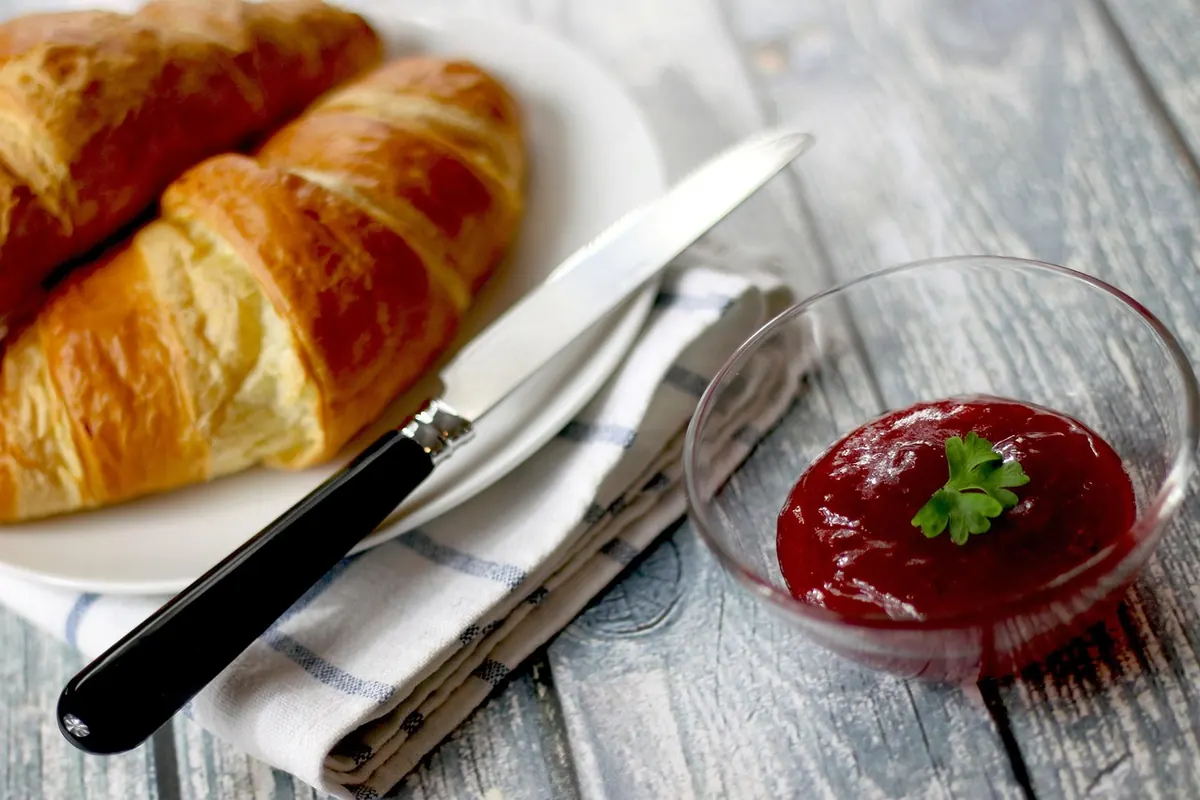
Deviled ham has a reputation problem. Most people know it as a stubby little can with a paper wrapper, and a flavor that tastes mostly of salt and nostalgia. Made at home from leftover ham, it becomes a different thing entirely: coarse, savory, sharp with mustard, and just hot enough to remind you why the word "deviled" shows up on old church-supper recipes in the first place.
The method takes about fifteen minutes and no special skill. Grind ham, bind it with something creamy, season it boldly, and let it sit so the flavors settle. A two-pound hunk of leftover Easter or Christmas ham turns into a spread that outshines anything from a tin, and you control the salt, the heat, and the texture.
What "Deviled" Actually Means
In older cooking, "deviled" described a dish heavily seasoned with hot, sharp ingredients: mustard, cayenne, vinegar, horseradish, sometimes Worcestershire. Deviled eggs, deviled kidneys, deviled crab—all built on that same principle. It was a way of making plain or leftover food interesting again, long before refrigeration made leftovers a casual everyday thing.
So deviled ham is not a brand invention. It is a style, and the style is forgiving. If you like it hotter, add more cayenne. If you like it sharper, more mustard and vinegar. The only real rule is that the seasoning should wake up the ham rather than bury it.
Choosing and Prepping the Ham
Any cooked ham works, but the best results come from a smoked, baked, or roasted ham with real flavor. Ham steak, spiral-cut leftovers, and the odd end piece from a deli ham all do well. Country ham is excellent if you use it sparingly—it is intensely salty, so grind it with a plainer ham or a little cooked pork to balance the mix.
Heavily glazed hams—honey, maple, brown sugar—are trickier because the sweetness pushes the spread in a different direction. You can still use them. Just skip any sweet relish, add extra mustard and a squeeze of lemon, and taste as you go.
- Trim away the rind, gristle, and any rubbery edge pieces.
- Keep some of the fat. It carries flavor and keeps the spread from tasting dry.
- Cut the ham into roughly one-inch cubes so the grinder or processor has an easy time.
- Chill the cubes for twenty minutes if the ham is at room temperature. Cold ham grinds cleaner.
Two cups of cubed ham yields about a cup and a half of finished spread, which is enough for four generous sandwiches or a full plate of crackers.
Grinding Without Turning It Into Paste
Texture is where homemade deviled ham wins. The canned version is uniformly smooth; a good homemade batch has small, distinct pieces of ham held together by the creamy binder. Getting that texture is mostly about restraint.
- Work in batches. Never fill a food processor more than halfway, or the bottom turns to paste before the top is chopped.
- Pulse in short bursts—one second on, one second off—and scrape the bowl between bursts.
- Stop when the pieces are roughly the size of small peas. You will be tempted to go one more pulse. Don't.
- If you want a finer spread for tea sandwiches, pulse a portion separately and fold it back into the coarse batch.
- No processor? A manual meat grinder with a coarse plate does a beautiful job. A sharp chef's knife and ten minutes of chopping works too—just aim for consistency rather than perfection.
The Seasoning Formula
Start with this as a baseline for two cups of ground ham, then adjust to taste. Nothing here is delicate, and the spread improves after an hour in the refrigerator.
- ⅓ cup mayonnaise, plus more if the mixture feels crumbly
- 2 tablespoons Dijon mustard, or 1 tablespoon yellow mustard for a milder, more retro tang
- 1 tablespoon prepared horseradish, drained
- 1 teaspoon Worcestershire sauce
- ½ teaspoon hot sauce, or to taste
- ¼ teaspoon cayenne, plus a pinch of smoked paprika
- 2 to 3 tablespoons minced pickle or drained relish
- 1 scallion, minced, or a tablespoon of grated onion
- Coarsely ground black pepper to finish
Hold the salt until the end. Ham is already salty, and how salty depends entirely on the ham you started with. Mix everything gently with a fork—stirring hard will compact the meat—then taste, and only then decide whether it needs salt, more acid, or more heat.
Let the spread rest, covered, for at least thirty minutes. An overnight rest is better. The mustard and horseradish mellow, the ham picks up the seasoning, and the whole thing tastes less like separate ingredients.
A Note on Acidity
If the spread tastes flat rather than underseasoned, it usually needs acid, not salt. A teaspoon of cider vinegar, a squeeze of lemon, or a spoonful of pickle brine fixes it faster than anything else in the pantry.
Serving It: Crackers, Tea Sandwiches, and Beyond
Buttery crackers and rye crisps are the classic vehicle, and celery ribs, endive leaves, and cucumber rounds work just as well. It makes a fine filling for deviled eggs, a topping for a baked potato, or a sturdy spread on a ham and cheese melt.
For tea sandwiches, the details matter more than the recipe:
- Use thin-sliced soft white bread, rye, or pumpernickel. Fresh bread tears; day-old bread cuts cleanly.
- Spread a thin film of softened butter on both slices first. It creates a barrier that keeps the bread from going soggy.
- Use about a quarter-inch of deviled ham—enough to taste, not so much that it squishes out.
- Press the sandwich gently, chill it for thirty minutes, then trim the crusts and cut into triangles or fingers.
Chilling before cutting is the small step that makes the difference between tidy triangles and a smear.
Variations Worth Trying
Smoky and spicy: swap the paprika for chipotle powder and add a spoonful of minced canned chipotle. Curried: replace the horseradish with a teaspoon of curry powder and a spoonful of mango chutney. Cheddar: fold in a half cup of finely grated sharp cheddar and use cream cheese in place of half the mayonnaise. Pickle-forward: double the relish and add a splash of the brine, which is closer to the version many families made with sweet pickle.
Storage and Make-Ahead Notes
Keep the spread in an airtight container in the coldest part of the refrigerator and press a piece of plastic wrap directly onto the surface to keep it from drying out. Eat it within three to four days. Because it contains mayonnaise and meat, it should not sit at room temperature for more than about two hours—set out a small bowl for serving and keep the rest chilled.
Mayonnaise-based spreads do not freeze well; the emulsion separates and the texture turns grainy. Ground ham without the binder, however, freezes beautifully for up to two months, so you can grind a big batch now and season smaller portions later. If you have any doubt about how long your particular ham has been around, follow standard food-safety guidance and use your nose and judgment.
Make the Canned Version Obsolete
Once you have made deviled ham this way, the tin loses its appeal. Keep the formula in mind after every holiday meal: two cups of cubed ham, a third of a cup of mayonnaise, and enough mustard, horseradish, and cayenne to make it interesting. Pulse it coarse, let it sit, and serve it on good crackers or thin buttered bread. Then write the ratios on a card, because you will want them again the next time a ham bone and a pile of trimmings land on the counter.
Photo: JESHOOTS-com / Pixabay