
A whole baked ham has a way of making a table feel important. It arrives glossy and fragrant, dripping with a glaze that's equal parts sweet, tangy and caramelized, and it feeds a crowd without demanding much from the cook. That's the quiet genius of this recipe: almost all the work happens in the oven while you get on with everything else.
The method here is deliberately traditional. A fully cooked ham is gently warmed through, scored so the fat renders and the glaze can sink into the surface, then brushed repeatedly with a brown sugar and pineapple mixture that thickens into a lacquered crust. No tricks, no special equipment — just a roasting pan, a brush and a little patience. What follows covers picking the right ham, building the glaze, baking it properly, and getting it to the table carved and ready to serve.
Choosing the Right Ham
Most hams sold in supermarkets are fully cooked and simply need reheating, which is what this recipe assumes. You'll see them labeled "fully cooked," "ready to eat," or "heat and serve." Read the label carefully, because an uncooked or "cook before eating" ham requires a much longer, lower bake and a different internal temperature — follow the package directions if you end up with one.
For a centerpiece, look for a bone-in half ham, either shank end or butt end, weighing between 7 and 10 pounds. The bone adds flavor and keeps the meat moister, and the shank end is easier to carve because the bone is straighter. Boneless hams work too and slice neatly for sandwiches, but they dry out faster and don't have the same presence on a platter.
Two more things worth knowing:
- Spiral-cut hams are already sliced. They're convenient, but the slices dry out quickly and the glaze runs between them. If you use one, reduce the baking time and keep it covered for most of the process.
- Water content matters. Hams labeled "with natural juices" or "water added" are plumper but release more liquid. That's fine — just pour it off before glazing so the sugar doesn't steam instead of caramelize.
Plan on roughly ½ pound per person for a bone-in ham. A 9-pound ham comfortably serves 12 to 15 people with leftovers, which is usually the best part.
What You'll Need
The glaze is built from pantry staples, and it's flexible enough to adjust to what you have. For a 7- to 10-pound ham:
- 1 fully cooked bone-in half ham, 7 to 10 pounds
- 1 cup packed dark or light brown sugar
- 1 can (20 ounces) pineapple slices or chunks in juice, drained, juice reserved
- ½ cup reserved pineapple juice
- 2 tablespoons Dijon or yellow mustard
- 2 tablespoons apple cider vinegar or fresh lemon juice
- ¼ teaspoon ground cloves, plus a few whole cloves if you like
- Whole cloves for studding, optional
Dark brown sugar gives a deeper molasses flavor; light brown sugar is milder and lets the pineapple come forward. Either is correct. The mustard and vinegar aren't there to be tasted outright — they cut the sweetness so the glaze tastes bright rather than candy-like.
Preparing and Scoring the Ham
Take the ham out of the refrigerator about an hour before baking so it isn't ice-cold in the center. Heat the oven to 325°F (165°C) and set a rack in the lower third.
Unwrap the ham and pat it dry with paper towels. If there's a rind or a thick, leathery layer of fat, trim it down to about ¼ inch, leaving a thin cap that will baste the meat as it bakes. Then score the surface: using a sharp paring knife, cut shallow diagonal lines about 1 inch apart across the top and sides, then cut the opposite way to make a diamond pattern. Cut only about ¼ inch deep — you're opening the surface, not slicing into the meat. If you're using whole cloves, press one into the center of some of the diamonds.
Set the ham flat-side down in a roasting pan. Add ½ cup of water or reserved pineapple juice to the bottom of the pan. This keeps the drippings from burning and gives you a head start on the pan sauce later.
Baking and Glazing
Cover the pan tightly with foil and bake for roughly 12 minutes per pound — about 1½ hours for a 9-pound ham. This first stage is about even heating, not browning.
While it bakes, whisk the brown sugar, reserved pineapple juice, mustard, vinegar and ground cloves in a small saucepan. Simmer over medium heat for 3 to 4 minutes, until the sugar dissolves and the mixture thickens slightly. Set it aside; it will thicken more as it cools.
When the ham reaches 120°F at the thickest part (away from the bone), remove the foil and raise the oven to 400°F. Brush the ham generously with glaze and arrange pineapple slices over the top, securing them with toothpicks if they slide. Return it to the oven uncovered.
Baste every 10 to 12 minutes with more glaze, for a total of 25 to 35 minutes. Watch it closely near the end. The line between beautifully caramelized and scorched is thin, and sugar goes from amber to bitter in a couple of minutes. If the top is browning too fast, tent it loosely with foil.
Pull the ham when it registers 140°F at the thickest part. Because the ham is already fully cooked, you're reheating rather than cooking, and going past 140°F dries out the meat.
A Quick Note on Food Safety
Use a digital thermometer rather than guessing from color or timing, and always insert it into the thickest part of the meat, avoiding bone and fat, which read hotter. Reheat fully cooked ham to 140°F. If you're working with a ham that isn't fully cooked, follow the package instructions and cook it to 145°F with a three-minute rest. When in doubt about any meat's handling or doneness, consult your local food safety authority or a qualified professional.
Rest, Carve and Serve
Let the ham rest on a cutting board for 20 to 30 minutes before carving. This lets the juices redistribute so they stay in the slices rather than running onto the board. Tent it loosely with foil — tight wrapping will steam away the glaze you just built.
To carve, set the ham on its flat cut side. Make a vertical cut about 2 inches from the shank end to create a stable base, then slice downward in ¼- to ½-inch slices, angling the knife slightly toward the bone as you go. When you reach the bone, turn the ham and repeat on the other side. If you're working with a spiral-cut ham, just follow the existing cuts.
Arrange the slices on a warm platter, spoon some of the pan drippings over them, and garnish with the roasted pineapple. If the drippings are thin, pour them into a saucepan and simmer for a few minutes to reduce, skimming off excess fat first.
For sides, keep it classic: scalloped or mashed potatoes, green beans with butter, a sharp mustard or chutney on the table, and soft rolls to soak up the glaze. Leftovers keep refrigerated for three to four days and make excellent sandwiches, ham salad, or a pot of split pea soup with the bone.
The Takeaway
This is a forgiving recipe. Use whatever brown sugar you have, swap the pineapple for orange marmalade or apricot preserves if you like, and adjust the cloves to your taste. The two things worth guarding are temperature and timing: pull the ham at 140°F, and stay nearby during the final glazing stage. Do those two things, and you'll get a centerpiece that looks like far more effort than it took — which is exactly what a holiday ham should be.
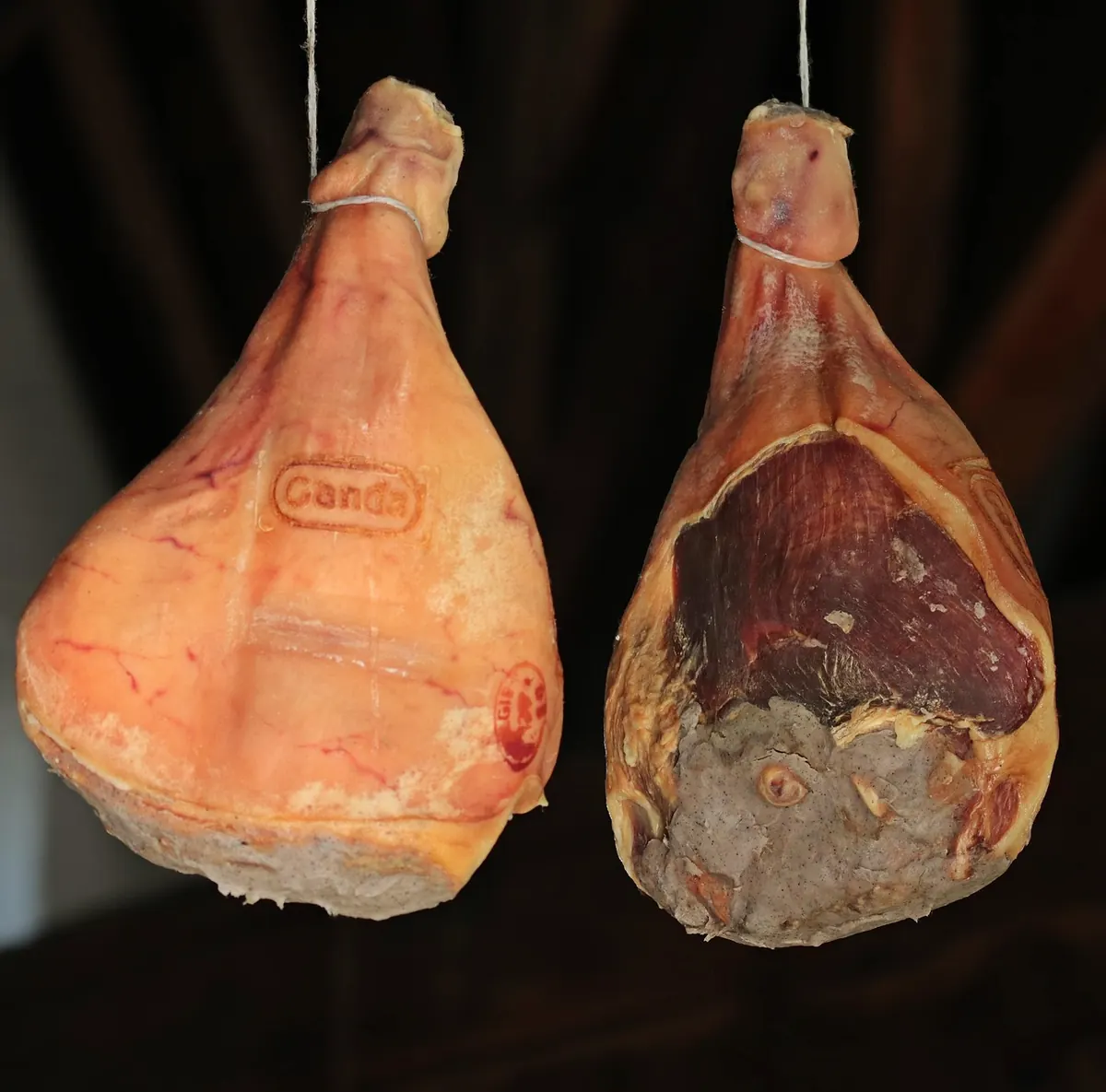
Photo: NoName_13 / Pixabay